

Most people think the big moment in an insurance policy is the claim. In our experience the moment that matters more happens months or years earlier, when someone fills in a proposal form or replies to a renewal email between other jobs. That is when your duty of disclosure applies, and what you say (or leave out) at that point decides how the insurer treats you after a loss.
It is one of the least exciting parts of insurance. It is also one of the most common reasons a claim ends up in a dispute, and in some cases the insurer pays nothing at all.

What the duty of disclosure actually is
Under section 21 of the Insurance Contracts Act 1984, before a business insurance policy starts you have to tell the insurer every matter you know about that:
- you know is relevant to the insurer’s decision to accept the risk, and on what terms; or
- a reasonable person in your circumstances would know is relevant.
Two parts of that catch people out.
The first is the “reasonable person” test. It is not enough that the thought never crossed your mind. The question is whether someone in your position would have realised the insurer would want to know.
The second is timing. The duty applies before you first take out a policy, and again every time you renew, extend, vary or reinstate it. A renewal is not a formality. Anything that has changed in the last twelve months is fair game.
There are some things you don’t need to tell the insurer: anything that reduces the risk, things that are common knowledge, things the insurer already knows or should know in the ordinary course of its business, and anything the insurer has told you it doesn’t need.
Business insurance is different from your home and car
Since 5 October 2021 the rules for consumer policies (home, contents, car, travel) have been different. People buying those policies now have a duty to take reasonable care not to make a misrepresentation. In practice that mostly means answering the insurer’s questions honestly and carefully.
Business insurance didn’t get that change. If you are insuring a farm, a medical practice, a sporting club, a commercial building or a trade business, the full duty of disclosure still applies. That means telling the insurer about relevant things even if nobody asked you a question about them.
What happens if you get it wrong
Section 28 of the Act sets out what an insurer can do when something relevant wasn’t disclosed.
- If it was fraudulent, the insurer can cancel the policy from the start, as if it never existed.
- If it was an honest mistake, the insurer can reduce what it pays to put itself in the position it would have been in had it been told. If it would have charged a higher premium, it can scale the claim back. If it would have added an exclusion, it can apply that exclusion.
- If it would never have offered cover at all, it can reduce the claim to nil.
That last one surprises a lot of people. An innocent oversight can still leave you with nothing, and both AFCA and the courts have accepted that outcome many times.
Four real claims where disclosure was the problem
These are all published decisions. We have kept to the facts as reported.
1. The farm added to the policy after the bushfire
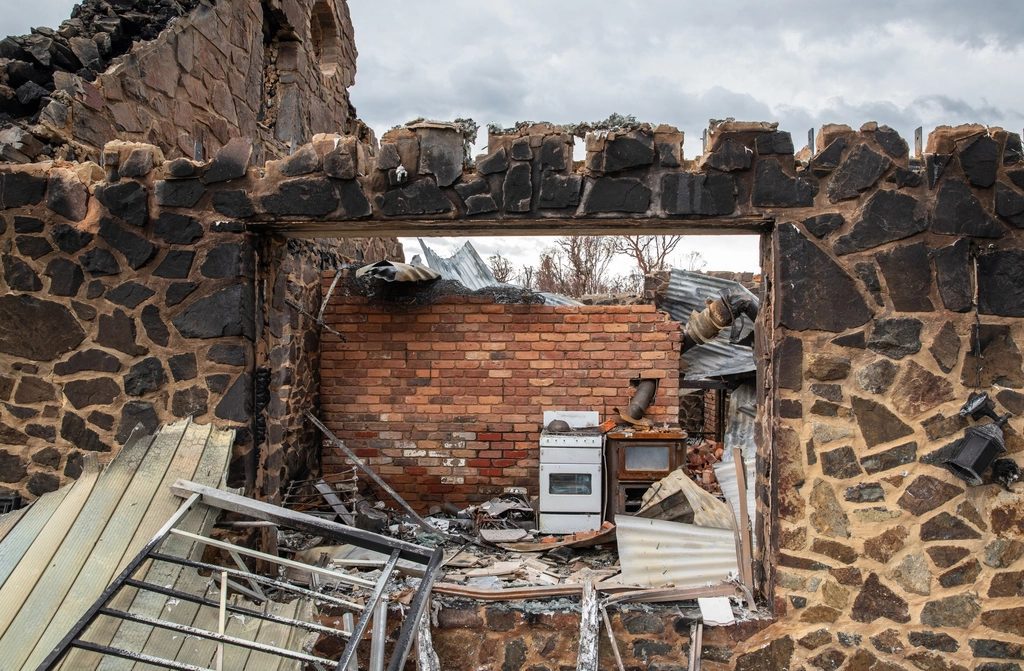
In late November 2019 a farm owner asked his broker to add a farm to his existing Suncorp business policy. On 4 December a bushfire went through the property. The next day he posted on Facebook: “We probably lost the farm today.”
On 20 December the broker submitted the application and Suncorp agreed to add the farm, with cover backdated to when the policy started in October. The owner hadn’t mentioned the fire to his broker because he believed the farm was already covered.
He claimed in June 2020 for property damage and loss of earnings. Suncorp declined and AFCA agreed. The cover took effect when the application went in, so that is when the duty applied, and by then he knew about the fire. His own Facebook post was the key evidence. Suncorp showed it would not have insured a property in that condition, so its liability was reduced to nil.
The lesson: until the insurer confirms cover, you don’t have it. Anything that happens in the gap has to be disclosed, and the safest approach is to tell your broker everything, straight away, even when you think you’re already covered.
2. The warehouse landlord with ties to the tenant
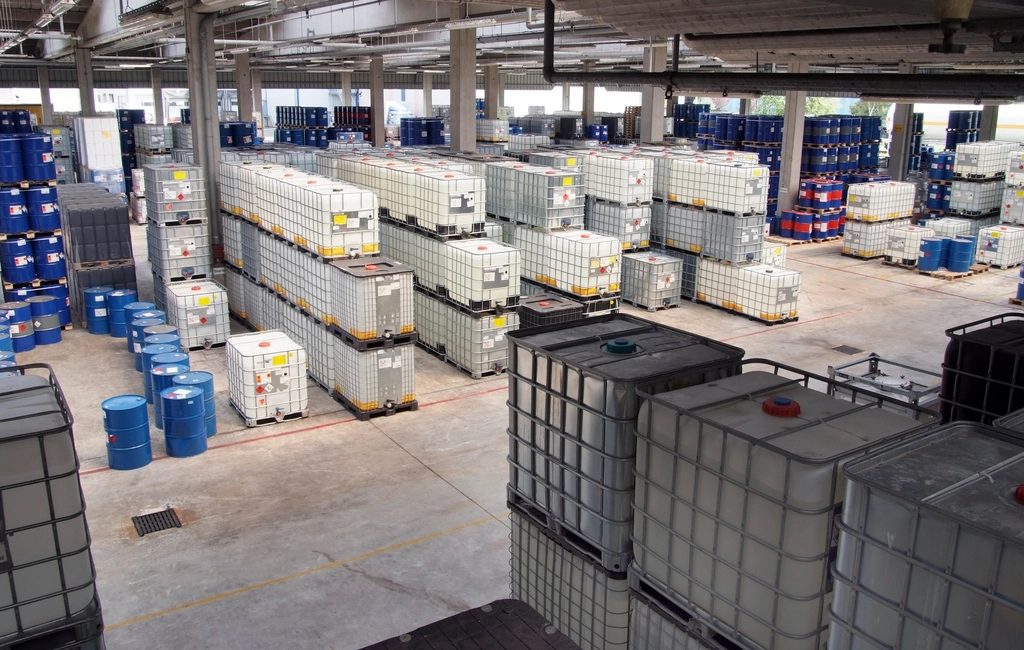
In January 2019 a landlord took out an AIG business policy over a large warehouse through a broker. The application asked whether he had been involved with a business that had become insolvent or gone into administration. He didn’t disclose anything.
In fact his holding company owned half of the tenant, he had been a director of the tenant five years earlier, and the tenant had gone into administration on 21 January 2019, before the policy began. The tenant had stopped trading and hadn’t paid rent since October.
About seven months later he claimed for theft of copper wiring and extensive damage to the building. AIG declined, and AFCA backed the insurer because it would not have offered cover had it known. All he got back was his premium.
The lesson: questions about insolvency, related businesses and directors are not boilerplate. They need to be answered for every person and entity connected to the policy.
3. The building that was 55 years older than the insurer thought
A commercial property policy was placed with Tokio Marine in April 2018. The broker’s records showed the building as built in 1970. It was actually built around 1925.
In October 2018 a hailstorm damaged the roof. The repair quote came to about $429,000, with 25 to 30 per cent of that put down to the hail. The insurer argued it would never have issued the policy if it had known the building’s real age.
This one went the owner’s way, but only partly. AFCA found the insurer hadn’t proved it would have refused cover, only that it would have asked more questions, and the evidence showed the building was well maintained. The insurer was ordered to pay 30 per cent of the cost of replacing the damaged section of roof, which came to $128,870, plus $12,870 in interest.
The lesson: the owner was paid in the end, but only after a formal dispute. Building age, construction, roof type and occupancy all drive underwriting. Check the details on your policy schedule every year, even when someone else filled them in.
4. The fire claim the insurer was made to pay
In Stealth Enterprises v Calliden Insurance (NSW Court of Appeal, 2017), an adult venue in the ACT was damaged by fire. Calliden, a specialist insurer of that industry, knew exactly what the business was. What it hadn’t been told was that the owners were associated with an outlaw motorcycle club, and that the venue’s registration had lapsed. Calliden said it wouldn’t have renewed if it had known, and tried to reduce the claim to nil.
The Court of Appeal found Calliden had to pay. A reasonable insured wouldn’t have expected the gang association to matter to a specialist insurer that never asked about it, and Calliden’s only evidence of what it would have done was a staff member’s say so, with no written underwriting guidelines to back it up.
The lesson: insurers have to prove what they would have done, and that cuts both ways. But this business only got paid after a trip to the Court of Appeal. You don’t want your recovery to depend on winning that argument.
Things businesses commonly forget to mention

These are the ones we see most often:
- Previous claims and losses, including small ones, ones that weren’t paid, and losses you never claimed for.
- Past insurance history, such as a previous insurer declining cover, cancelling a policy or imposing special conditions.
- Insolvency or administration involving you, your directors or any related company.
- Changes to what you do. A café that starts doing catering or deliveries. A builder who takes on commercial jobs as well as homes. A retailer that starts selling online or importing its own products. Taking on subcontractors, opening a second site, working interstate or a big jump in turnover can all change how an insurer sees your business.
- Building details like age, construction materials, cladding, renovations and periods where the property sits empty.
- Known issues that could turn into a claim, such as a complaint from a patient or client, a defect you’ve noticed or a dispute with a neighbour. This is critical for professional and medical indemnity cover.
- Hazards on site such as fuel storage, chemicals or hot work.
A simple rule of thumb: if you are asking yourself whether something is worth mentioning, mention it.
How we handle disclosure with our clients
We would much rather have an awkward conversation at renewal than a terrible one after a fire or a flood. Before each renewal we sit down with clients and go through what has changed in the business. If something is borderline, we put it in front of the insurer and get the response in writing.
Disclosing something rarely means losing cover. Most of the time nothing changes, or there is a modest premium adjustment. The cost of not disclosing it can be the whole claim.
If you would like a second set of eyes over what your insurer has on file, we are happy to go through it with you. You can get in touch here or start a quote, or call Tom Allwright directly on 0416 457 143.
Related reading
- Top 5 Things Every Policyholder Should Know About Their Insurance
- What is Underinsurance and How to Avoid It
- Why Risk Profiling Leads to Better Insurance Premiums
- Farm Insurance Explained
Sources
- Insurance News: Farm owner loses dispute after miscommunication causes disclosure failure (December 2022)
- Insurance News: Landlord with undisclosed ties to robbed tenant loses claim dispute
- Insurance News: Innocent non disclosure wins $140,000 dispute for claimant (March 2020)
- Herbert Smith Freehills: Policyholders may still secure cover despite non disclosure (April 2017)
This article is general information only and doesn’t take into account your objectives, financial situation or needs. It isn’t legal advice. Please read the relevant Product Disclosure Statement and speak with us before making a decision about your insurance.